
Atheism And the Throne of Nothing: Someone Is Still Sitting on It

Updated: 4 days ago
Atheism often describes itself as an absence: no religion, no mythology, no supernatural assumptions. Just reason, evidence, and reality as it can be observed. That sounds like neutral ground, but “there is no God” is not neutral ground. It is a claim about the nature of reality itself. It says there is no Creator above creation, no revelation entering from beyond the human mind, no moral authority higher than human judgment, and no final jurisdiction beyond what can be measured, argued, or collectively agreed upon.
That is not the absence of a worldview. It is a worldview with the ceiling removed. Once nothing remains above the human observer, the observer quietly becomes the highest functioning court.
The Observer Keeps the Throne
The modern atheist does not always say, “I know with certainty that God does not exist.” The language is usually softer: “I have not seen sufficient evidence,” “I am open to being convinced,” or “I simply follow reason wherever it leads.”
But someone still decides what counts as sufficient evidence. Someone determines which forms of testimony are admissible, whether revelation is possible, and what reality is allowed to contain before the question has even been settled.
God may be permitted to enter the experiment, but the observer writes the conditions.
A miracle may be requested. A sign may be demanded. A form of proof may be named in advance. Yet even if the event occurred, the observer may still reserve the right to decide what it proves, what it means, and whether the God behind it deserves trust or obedience.
The evidence may change.
The throne does not.
This is why the conflict is not always between faith and reason. Sometimes it is between revelation and self-rule.

Science Is Not the Enemy
Christianity does not require the rejection of reason. Science is not the problem. Observation, testing, measurement, and discovery allow us to study the order of creation with precision and humility.
The distortion begins when a tool for examining reality crowns itself the judge of everything reality is permitted to contain.
“Only what can be measured is real” sounds rigorous, but the claim itself cannot be proven through measurement. It is a philosophical position before it is a scientific one.
You cannot place meaning on a scale, photograph dignity, or weigh moral obligation. You cannot reduce love to a laboratory reading without leaving out the person who loves and the meaning of the love. Science can observe effects, map expressions, and study the body through which these things move, but reduction is not completeness.
Describing the chemistry of grief does not explain why the loss mattered. Mapping the neural activity of conscience does not prove conscience has no authority. Explaining how a person experiences God does not settle whether God was present.
A mechanism can be described without exhausting the meaning of the event.
Nothing Above Does Not Mean Nothing Governs
Remove God, and authority does not disappear. It moves.
If there is no divine moral authorship, human beings must decide what is good. If there is no truth revealed from above, institutions, experts, cultures, and individuals must decide what reality will mean. If there is no final accountability beyond human life, justice must end wherever human systems decide it ends.
The throne never remains empty. It may be occupied by the individual self, scientific consensus, political power, social approval, institutional expertise, or whatever moral framework a culture can maintain for the moment.
But someone still defines the terms. Someone decides what counts as knowledge, which values will be protected, which boundaries are legitimate, and what happens when human interests collide.
Atheism does not remove authority.
It collapses authority downward into human hands.
The Faith Hidden Inside Certainty
Atheism often accuses religion of relying on faith while presenting materialism as simple observation. But material sufficiency is also a belief.
It assumes matter is enough to explain consciousness, morality, meaning, personhood, and the existence of reality itself. It assumes what cannot currently be measured should not receive authority. It assumes the human mind can stand inside creation while judging whether anything exists beyond it.
Those assumptions may be defended philosophically, but they remain assumptions.
Everyone begins somewhere. The Christian begins with a Creator who reveals Himself through creation, Scripture, history, and ultimately Jesus Christ. The atheist begins with a reality in which no such revelation has been accepted as authoritative.
Neither position arrives without a governing frame.
One calls its frame faith. The other often calls its frame neutrality.
When Wounds Become Metaphysics
Not every atheist reaches the position by the same road. Some arrive through philosophical argument or scientific materialism. Others arrive through disappointment with religious institutions, hypocrisy, abuse, unanswered prayer, grief, or years of watching Christians use God’s name without displaying His character.
Those wounds are real. But pain can explain why a person rejects a claim without proving the claim false.
A corrupt church does not disprove Christ. A cruel believer does not erase God. An unanswered question does not establish an empty heaven.
Sometimes a person is not only rejecting a doctrine. They are refusing to place authority again where authority once wounded them. That deserves compassion, but it also deserves honesty.
The wound may explain the road.
It cannot become the final judge of what is real.
Jesus Is Not a Useful Story
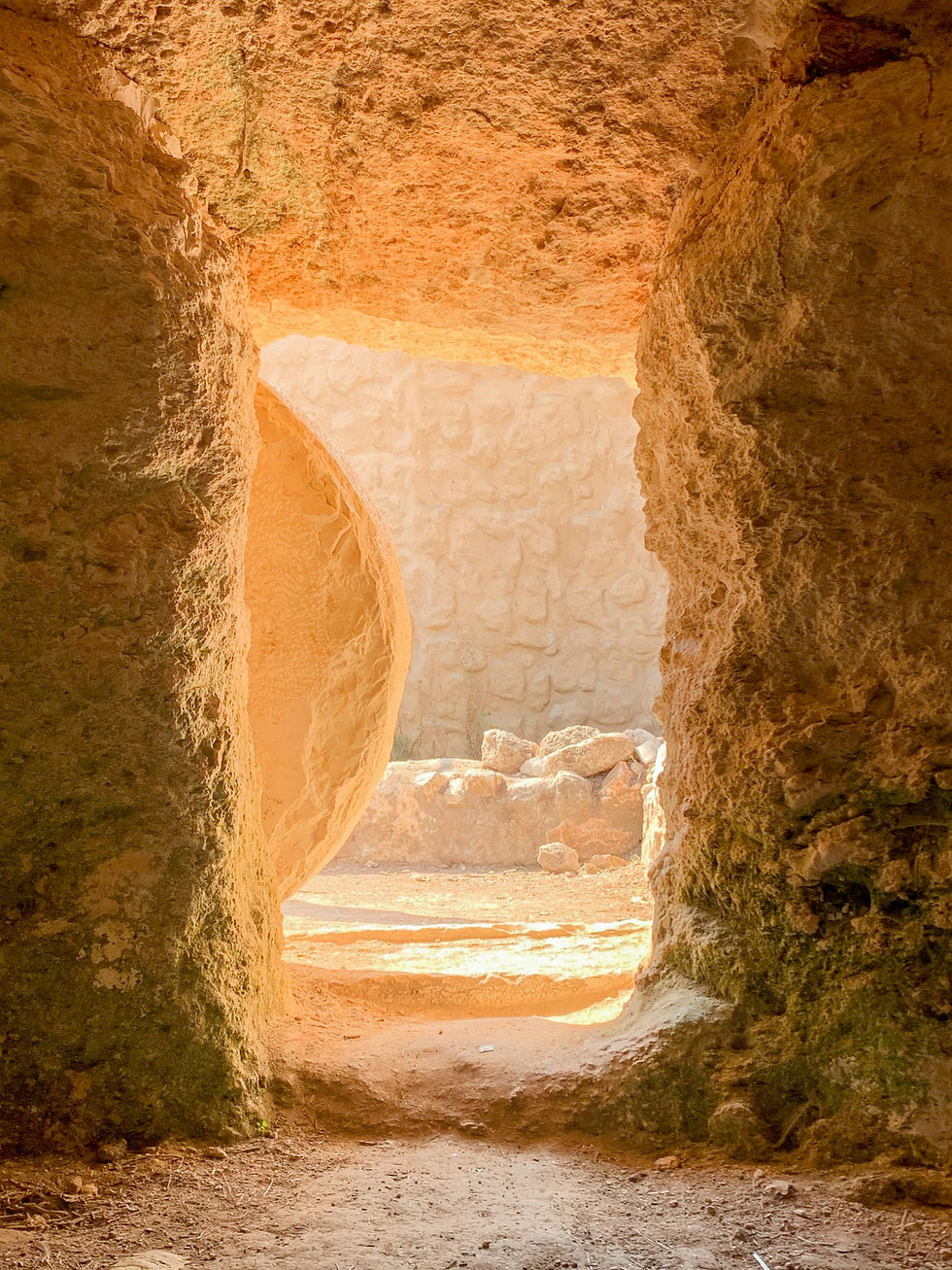
Christianity does not claim that belief in Jesus is psychologically comforting fiction. It makes a far more confrontational claim: that God entered history, that Jesus Christ was crucified and rose from the dead, and that He is not merely a teacher, symbol, moral guide, or emotional support.
He is Lord.
This is why the Christian claim cannot be reduced to whether religion helps someone cope. If Christ did not rise, Christianity collapses. If He did rise, the question is no longer whether His teachings feel useful.
The question becomes whether He has authority.
That is the threshold atheism often protects the observer from crossing. Evidence may be examined, history may be debated, and arguments may be considered. But Lordship requires more than acknowledging that something unusual happened.
It requires the self to leave the highest seat.
The Throne Beneath the Absence
The phrase “I do not believe” can sound lighter than “I reject God.” Sometimes it is. But when disbelief becomes a complete account of reality, it begins governing everything beneath it.
There can be no revelation above human judgment, no moral authority beyond human consensus, no meaning that must be received rather than invented, and no Creator with the right to name the creature.
The offer sounds like freedom: nothing above you.
But nothing above you does not leave you without a throne. It leaves the self, the institution, or the culture to occupy it.
That is the hidden movement inside the throne of nothing. God is removed, human judgment becomes final, and self-rule is renamed neutrality.
Logic is not the enemy. Science is not the enemy. Questions are not the enemy. But none of them can crown themselves ultimate without becoming the very kind of authority they claim to have escaped.
The throne of nothing still has someone sitting on it. The only question is whether we are willing to see who.
For the deeper system beneath this pattern, read False Thrones: Atheism — The Throne of Nothing.
© 2026 The Alignment Archive
First published in Illumination on Medium July 2026.
Further Reading:
The Resurrection That Changed History by Mikiyas Astatke If the real question is whether Christ rose, the evidence deserves a look. Mikiyas examines the disciples' costly transformation and why naturalism decides the verdict before weighing the proof.
Press Ctrl + P (Windows) or Cmd + P (Mac) to print this article or save it as a PDF.


Comments